
Managing Indoor Humidity
This winter has been unusually wet. With few sunny days and humidity levels regularly above 90%, everything feels damp — from towels and clothes to the air inside the house.
Normally, this wouldn’t be such a problem here. Even in winter, there are usually enough dry days to open the windows, hang washing outside, and let things air out naturally. But lately, that hasn’t been possible.
As an interior designer with a strong interest in healthy homes, I’ve been thinking a lot about how we can better manage indoor humidity during extended wet weather — and how small, considered design and appliance choices can make everyday life easier and healthier.
Why humidity matters
In my late twenties, I lived in a small apartment in central Madrid. It had beautiful light, windows on two sides, and a recently renovated kitchen and bathroom. In summer, it was perfect. In winter, it was a different story.
The bathroom had no extraction fan, and the kitchen relied on a recirculating rangehood. Each morning, the windows were streaming with condensation, water running down onto the plaster walls. By the end of winter, mould had formed beneath the windows — and nothing I tried would remove it completely.
At the time, I didn’t fully understand how important active ventilation and moisture control were. Looking back, a simple dehumidifier — alongside better extraction — would likely have made a significant difference.
Managing indoor humidity is essential for preventing mould and mildew, both of which can negatively affect health. Most health and building authorities recommend keeping indoor relative humidity below 60%, ideally within the 30–50% range, particularly in winter.
In many parts of Australia — especially coastal or high-rainfall areas — extended periods of damp weather can make this difficult to manage without intentional design and ventilation strategies.
Practical ways to reduce indoor humidity
There’s rarely a single fix. In well-designed homes, a combination of small, coordinated strategies works best:
Reduce moisture at the source
Dry clothes and towels outside where possible, and keep showers shorter when you can.Ventilate regularly — even in winter
Aim for daily ventilation. Even 10–30 minutes of cross-ventilation on drier days can help remove trapped moisture.Ensure kitchen and bathroom fans are effective
Extraction fans should be powerful enough for the room size and ducted externally.Use a dehumidifier during prolonged wet periods
Especially helpful in uninsulated or poorly ventilated rooms.
Getting washing dry
In our home, winter laundry usually involves hanging clothes under cover outside, then finishing them in the dryer or indoors overnight. During particularly wet stretches, nothing dries properly — and everything stays damp.
We currently use a front-vented dryer, which releases warm, moist air directly into the laundry. To manage this, we keep the door closed, the window open, and the extraction fan running. While this worked when dryer use was occasional, it’s far from ideal during long wet periods and is also energy-intensive.
A heat pump dryer is a far better option. These models don’t vent moisture into your home and typically have 8–10 star energy ratings, making them both healthier and more economical to run in the long term.
Keeping the bathroom dry (and the towels too)
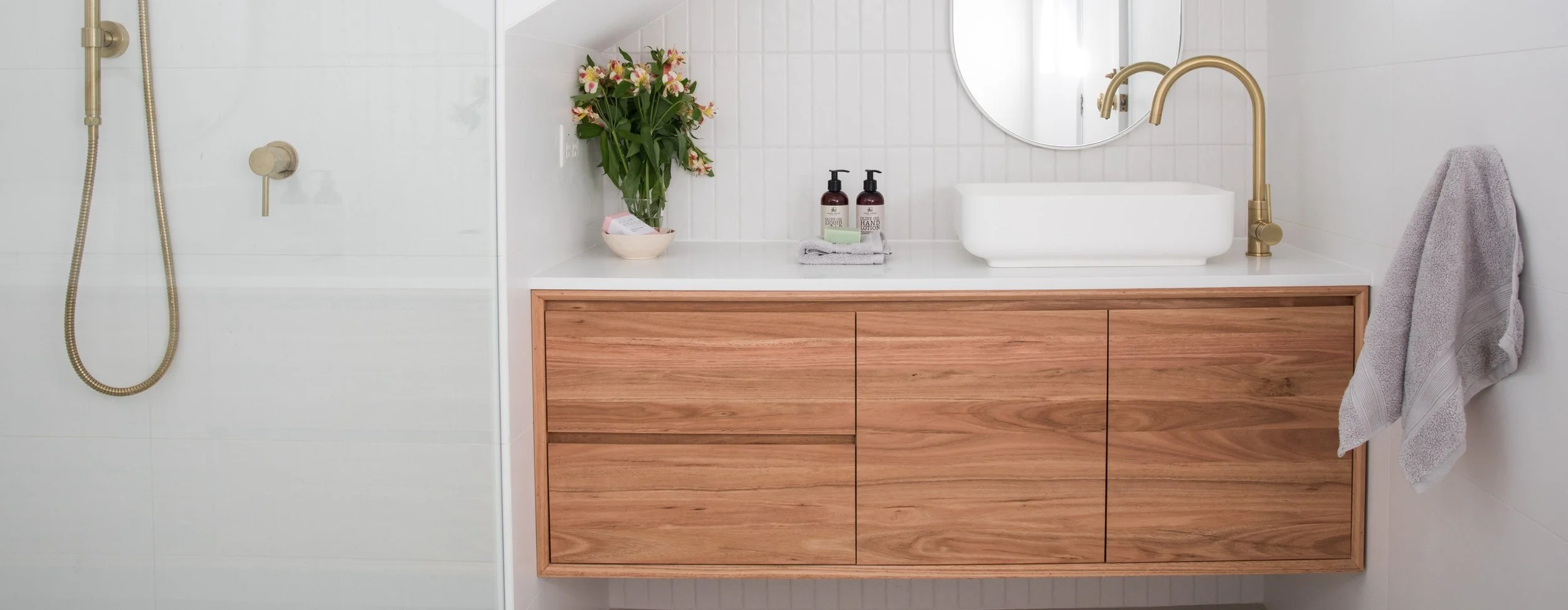
Bathrooms are one of the biggest contributors to indoor humidity. While moisture can’t be eliminated entirely, good design choices can significantly reduce how much lingers in the space — and how easily mould takes hold.
Extraction fans are often overlooked during renovations. I’ve made that mistake myself, assuming the electrician would automatically specify an appropriate fan. In reality, that isn’t always the case.
If you’re renovating, look for a fan that is:
Properly sized for the room, so it can remove steam effectively
Quiet enough to use consistently, ideally with the motor mounted on the roof rather than in the ceiling
Ducted directly outside, not recirculating air or venting into the roof space
Heated towel rails are another simple but effective addition. Most can dry towels within 1.5–3 hours and can be set on a timer. Dry towels not only feel better to use — they also help reduce lingering moisture in the bathroom overall.
Minimising kitchen humidity
The same principles apply in the kitchen. A ducted rangehood that vents externally is essential.
Recirculating rangehoods don’t remove moisture — they simply filter air and return it to the room. Where possible, opt for a ducted system, ideally with the motor mounted externally. This reduces noise and makes it more likely you’ll actually use the fan at higher speeds when needed.
Designing for damp winters
Living through a wet, cold winter can be challenging, but good decisions made at the design stage can make a real difference.
By improving ventilation, choosing efficient appliances, and keeping moisture levels in check, you’re not only protecting your home from mould — you’re supporting your family’s long-term health and wellbeing.
These are exactly the kinds of considerations I look at when designing or renovating homes intended to feel calm, resilient, and easy to live in year-round.
Do you have any winter habits that help manage indoor humidity? I’d love to hear what works in your home.
A note from my own home
We monitor indoor humidity with a simple digital monitor and typically see levels fluctuate between 55–70% during extended wet weather. On drier days, opening windows helps, but during long periods of rain we rely on a dehumidifier to keep moisture in check.
Mildew tends to appear first in the colder, uninsulated parts of the house — particularly in rooms closest to the bathroom. It’s a useful reminder that humidity isn’t just about moisture in the air, but also about cold surfaces, insulation, and airflow.